“Train of migratory birds” brings winter sunshine to elderly Chinese travelers
2026-01-22 16:17 Xinhua
Guo Chunhua and his wife have also spent recent winters in Hainan, but unlike Song, they prefer to rent apartments. "Every time we move to a new place," he said, "each stay feels like a fresh experience."
By the end of 2024, China's population aged 65 and older had surged to 220 million, accounting for 15.6 percent of the total population, a historic high in both scale and proportion. According to government predictions, this number will grow by more than 10 million each year over the next decade. By 2035, the silver economy could account for 9 percent of China's gross domestic product, up from 6 percent today.
As living standards improve, more elderly people are seeking high-quality lives. China's top leadership has emphasized in the recommendations for the 15th Five-Year Plan (2026-2030) the need to better utilize the potential of elderly human resources and to foster the growth of the silver economy in the years ahead.
Fan Weizheng, vice mayor of Sanya, said that the city, with its unique climate, steadily improving ecological environment, increasingly complete public service and healthcare security network, as well as a welcoming social atmosphere, is attracting a growing number of elderly "migratory birds."
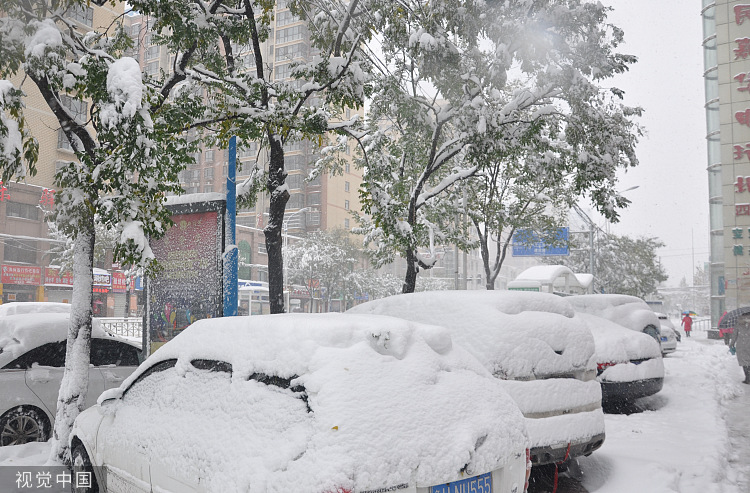
After seniors like Song and Guo disembark, the train returns, still bustling with passengers. This time, most are young people eager to experience the snow in China's "Ice City" of Harbin in Heilongjiang. According to a report by the China Tourism Academy released earlier this month, the country's ice and snow tourism is entering a "new stage of sustained prosperity," with more than 14,000 related enterprises operating in the sector at the end of 2025, up 11 percent year on year.
"While transportation is so convenient now, it's easy to travel anywhere, and the diverse needs of different groups can all be met," Wang Xijun said.■