Chinese AI tools support emissions monitoring and climate resilience while building local expertise across Global South
2026-11-24 09:30 环球时报网英文版
Across these applications, observations and forecasts serve different stages of preparation. Agricultural water monitoring examines what has been consumed; river and weather predictions help anticipate what may come next.
Building forecasts together
When Thai meteorological experts arrived in Xiong"an in August, they brought a shared research task to their Chinese counterparts: examining how an AI forecasting system performed when predicting temperatures and rainfall in Thailand, including during extreme weather.
Working alongside researchers at the Xiong"an Meteorological AI Innovation Institute in North China"s Hebei Province, the visiting specialists began evaluating forecasts of daily average temperatures, maximum temperatures and precipitation. The work moved their newly established joint laboratory from a cooperation agreement into day-to-day research, according to materials provided by the institute to the Global Times.
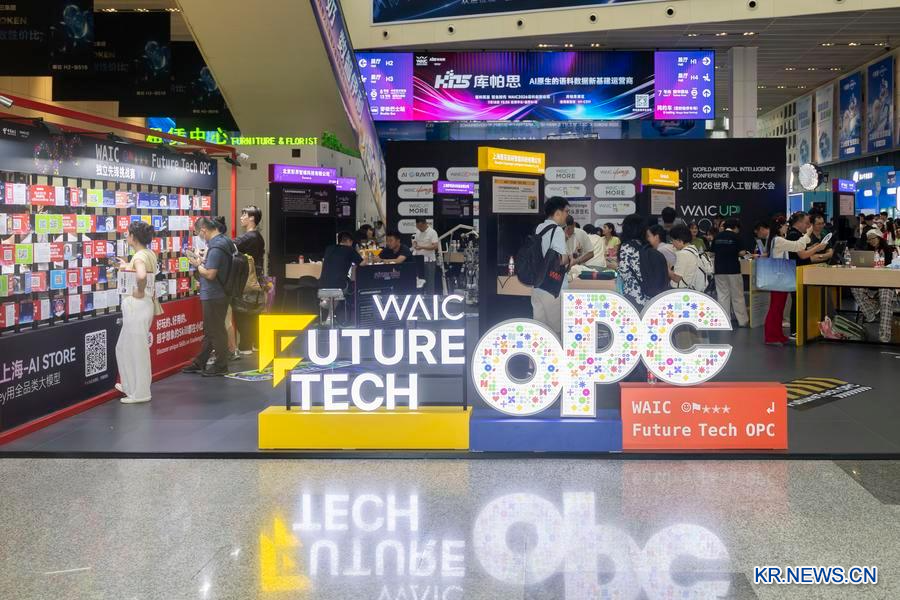
The China-Thailand Joint Laboratory for Intelligent Prediction and Early Warning of Meteorological Disasters was launched on July 17 at a meteorological forum during the World Artificial Intelligence Conference in Shanghai. Jointly led by the Xiong"an institute and the Thai Meteorological Department"s Climate Center, it has Chinese and Thai co-directors and brings together more than 40 experts in fields including atmospheric science, AI, agriculture and electricity systems.
The researchers are targeting a particularly useful but challenging forecasting window: several weeks to months ahead. Earlier information about heavy rainfall, drought and extreme heat could give farmers, power operators and infrastructure managers more time to prepare.