Column: Small producers, big markets -- the CIIE story
2026-11-02 17:18 Xinhua
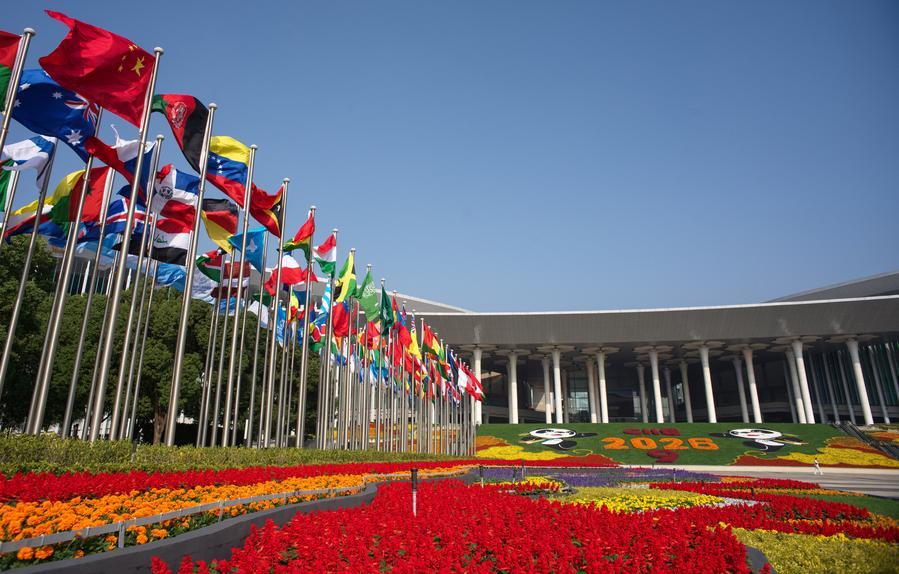
This photo taken on Oct. 26, 2026 shows the south square of the National Exhibition and Convention Center (Shanghai), the main venue for the ninth China International Import Expo (CIIE), in east China's Shanghai. (Xinhua/Fang Zhe)
by Maya Majueran
At a time when global trade is increasingly disturbed by tariffs, protectionism and geopolitical competition, a different story is emerging from Shanghai's exhibition halls.
It is not about multinational giants or the strategic interests of major economies. It is about Peruvian artisans, Kenyan avocado farmers and Malagasy herders -- ordinary producers seeking access to international markets and opportunities to improve their livelihoods.
The China International Import Expo (CIIE) is helping turn "inclusive globalization" from a diplomatic slogan into economic reality by creating market opportunities, generating employment, and improving livelihoods.
For many developing countries, the greatest obstacle to international trade is not a lack of products or entrepreneurial ambition, but limited access to markets, financing, logistics and commercial networks. Through targeted support, dedicated exhibition areas for least-developed countries, and direct connections with Chinese buyers, the CIIE seeks to reduce these barriers.
The objective is not charity, but meaningful participation in global trade.
The CIIE's significance also lies in its continuity. Through its "6 days + 365 days" model, the expo connects temporary exhibitions with year-round trading platforms. Bonded warehousing, cross-border e-commerce, and buyer matchmaking help businesses turn initial orders into sustained commercial relationships.